
Duval County Police Blotter Reality
JSO posts no official 72-hour, seven-day, or weekly roundup of new arrests. The portal does offer a date-based In-Sheet. A searchable database covers current and historical inmates too. Rebuilding several days of Duval County arrests means working those tools by date or by name. The "EOS 30 Days" report is not that shortcut. EOS stands for end of sentence. That report tracks releases, not bookings. The portal also runs internal functions labeled for recent bookings and releases, though those endpoints are application plumbing rather than stable public pages. The dependable public routes remain the human-facing reports, the roster, the records office, and the Clerk docket.
Rebuild a Duval County Arrest Log
Pick a clear date span before anything else. A current custody result can otherwise masquerade as the arrest date. Next, keep an identity key beside each result. It might be a JSO number, a booking number, or an exact name. That habit keeps repeat names and repeat contacts from merging into one person.
- Open the JSO In-Sheet and review each calendar date in the desired span.
- Record the booking number, arresting agency, booking time, and charge wording for likely matches.
- Use the official inmate search to open the person-level result and check custody or release status.
- Search the Duval Clerk CORE docket for the linked case and later court events.
- For missing dates or older material, request the date range from JSO Public Records.
The Duval arrests last 24 hours guide covers the single-day report. This page takes the longer view. It joins several daily arrest records and follows entries after a short online window closes.
Duval County Blotter Record Fields
A useful log pairs the daily arrest with the fuller booking and court record. The fields below answer separate questions that rarely sit on one screen.
| Record element | Why it matters |
|---|---|
| Full name and alias | Supports identity matching across roster, agency, and court records. |
| Booking or JSO number | Links a jail transaction to the correct detail record. |
| Arrest and booking dates | Shows the event date and later intake time without merging them. |
| Arresting agency | Identifies who may control the arrest report, even when JSO holds the person. |
| Booked charge and statute | States the intake charge. |
| Bond, release, and facility | Tracks custody changes while keeping them separate from case outcome. |
| Court or case reference | Leads to the docket where disposition should be checked. |
Booking photos may appear on JSO detail pages, subject to exemptions and availability. A blotter entry is valid without one. A missing image does not mean the record belongs to someone else. Treat any photo as part of the booking record.
Duval Weekend Posting Gaps
JSO follows no fixed weekend or holiday posting schedule for its public booking views. Intake never stops. Someone arrested late in a shift may still be moving through booking, medical review, or classification when a check happens. The booking date can also differ from the night of police contact. Reports sometimes post a day late. For a weekend range, revisit the last date after processing has had time to finish. Compare the daily sheets against the name search. Silence is not a confirmed absence. Beach arrests add a wrinkle. Jacksonville Beach or Atlantic Beach officers can make the arrest, yet JSO holds the resulting Duval jail entry.
Duval County Arrest Archive Requests
Online visibility and legal retention are different things. Florida's GS2 schedule sets minimum retention periods. Booking records, commitment and release lists, and adult incarceration records are generally kept for one anniversary year after release. Arrest offender-information records stay on file until obsolete, superseded, or no longer administratively useful. An agency may keep material longer. Holds can block routine disposal.
Start an older search with JSO Public Records. Name the date span you want. Say whether the item is an arrest-and-booking report, a booking record, a commitment and release list, or a photograph. If the file sits off-site or archived, ask where that series is held. For old case outcomes, use CORE or contact the Duval Clerk. Florida's state archives hold no browsable collection of every Duval jail photograph. The state records-management office can explain schedules. The originating agency stays the first source for any individual record.
A focused request routes faster than a broad demand for "all arrests." Give the custodian inclusive dates. Add the agency or facility, the record series, and any known name or booking number. Ask for an electronic copy when that format fits. JSO lists ordinary copy and certification charges and may estimate labor for extensive research or redaction. Cost and timing depend on the actual work. Never assume a fixed total before the agency responds.
Jacksonville Beach Police or Atlantic Beach Police may control the arrest report even when JSO controls the jail record. Request each piece from its custodian. The city report explains the police action. The JSO record documents county intake and custody, and the Clerk docket tracks the prosecution. Combining them builds a fuller archive than any single page.
Duval County Arrest News Is Selective
Local outlets give you pieces of the picture, never the whole blotter. News4JAX keeps arrest and mugshot topic archives, available at arrest and mugshot topic archives. Action News Jax files story-level reports. WOKV maintains a Crime and Law page. The Florida Times-Union also covers crime across Jacksonville. Editors chase whatever draws public interest. A quiet booking can go unreported for days or forever. A missing story means nothing. Treat news coverage as one lens on Duval County recent arrests, not a roster.
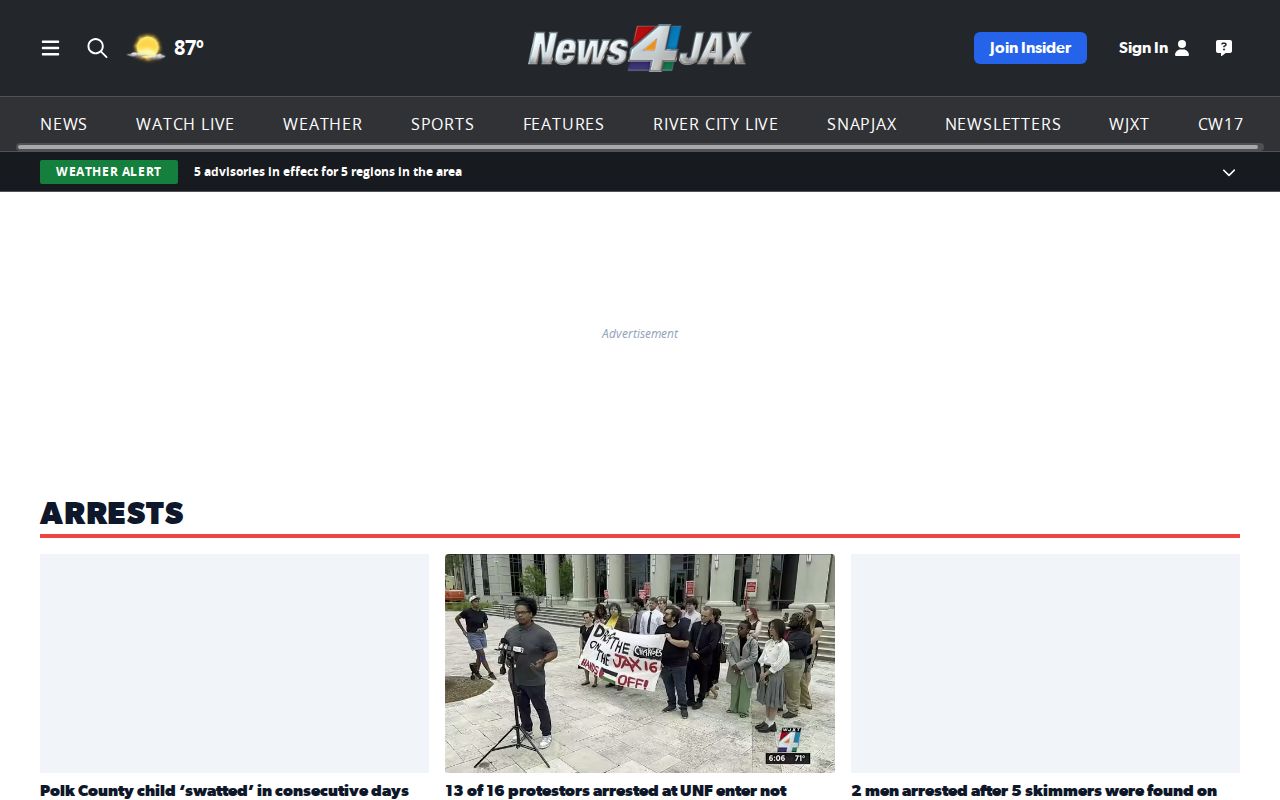
This archive lists selected articles rather than every person booked in Duval County. The Action News Jax local section offers the same kind of curated view.
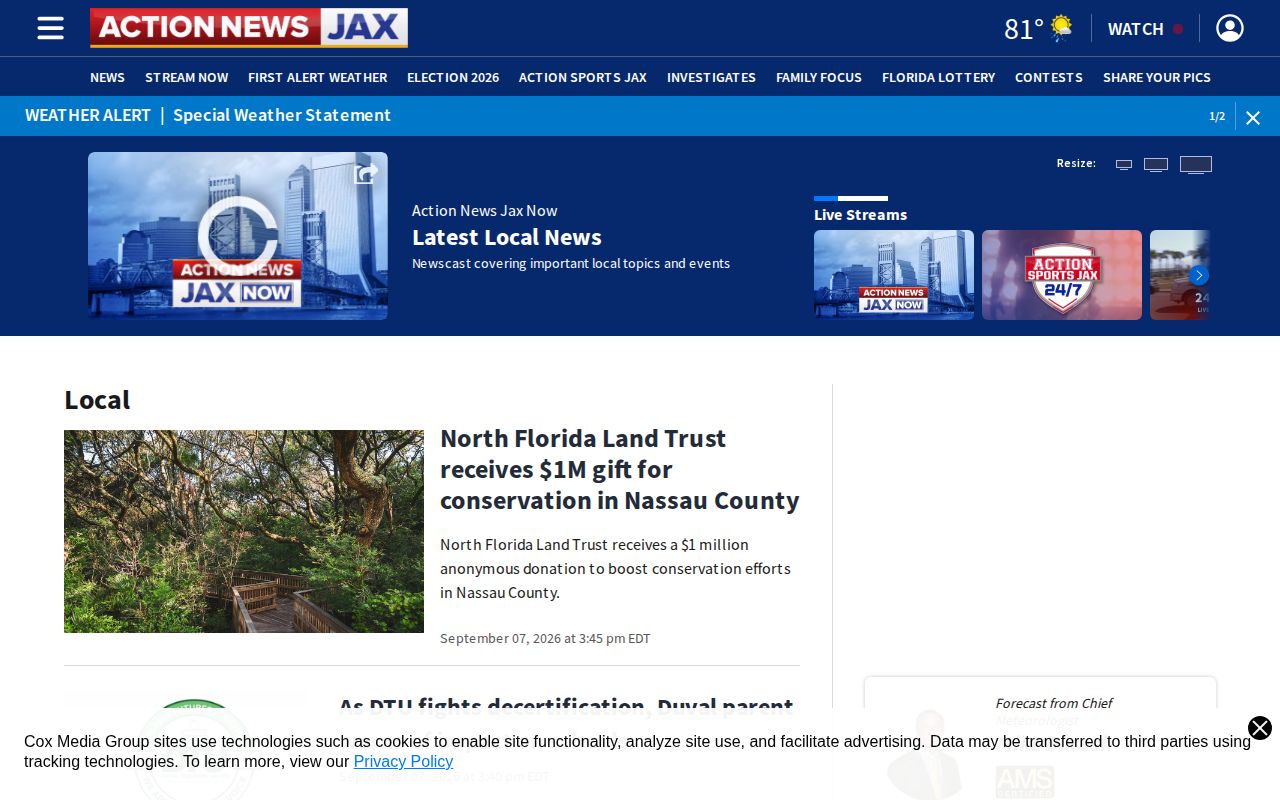
Match any name, photo, or charge in a story against JSO records and the court docket.
Calls Are Not Duval Arrests
JSO's Completed Calls for Dispatched Service page can anchor an event in time. It lists an incident number, dispatch time, block address, signal, and call description. The page refreshes on its own. The sheriff's office cautions that this feed is not official crime data. It also leaves out protected categories.
Remember what a call is. A dispatched call can close with no arrest at all. Duval arrests also grow out of warrants, long investigations, or another agency's work. Many bookings never line up with a visible call row. Read completed calls for event context only. The list is not an arrest count. No single row proves who was taken into custody.
Unofficial Duval County Arrest Archives
Third-party arrest sites are leads, nothing more. Arrests.org offers Duval date and agency filters that may include JSO, Jacksonville Beach Police, Atlantic Beach Police, and other departments. RecentlyBooked keeps a county page too. Both can sit stale or incomplete for stretches.
Some other pages are weaker still. Mugshots.com reads as archival rather than current, and neither Busted Newspaper nor Mugshots.zone lists a working Duval page. Guessing a URL proves nothing about coverage. Start with official JSO records and the court file. Use a secondary arrest archive only to surface a name or date, then check it at the source.
Read Duval County Arrest Outcomes
An arrest report marks the start of a case, not the end. Probable cause is all it records. The full story unfolds later in court. To follow that arc, use the Duval Clerk CORE system instead of stopping at the booking entry. Bond, release, and transfer details each describe custody at one moment. A news photo does the same. None of it settles anything final.
Duval County arrest records can shift after the first entry. A prosecutor may swap the charge. A court may change bond. A correction may fix a name or a date. Keep the booking number handy, then check the live source again rather than trusting a saved snippet. Stale news pages and unofficial sites often linger online after the official record has been corrected or the case has moved on.
For research or personal case tracking across a date range, label each source and the date you accessed it. That habit shows whether an item came from the In-Sheet, the historical roster, an agency report, or a court docket. It also keeps a news archive from being mistaken for a full census of Duval County arrests.